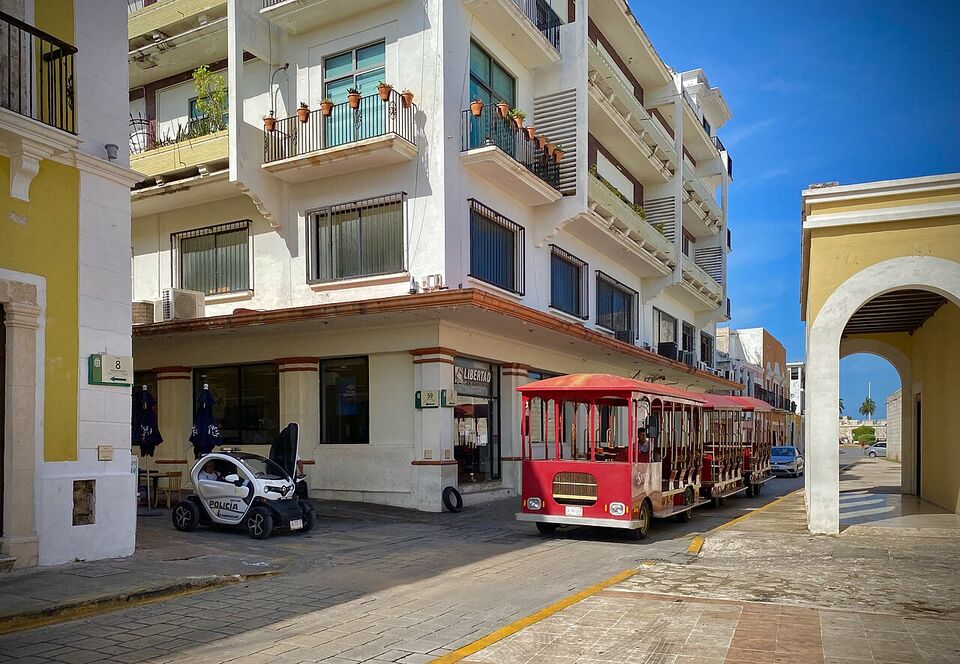
Yes, Cancún is safe enough for a normal vacation if you stay in the tourist areas, use booked or app-based transport and stay out of the drug trade. The US State Department rates Mexico as a whole at Level 2, "Exercise increased caution," and gives Quintana Roo, the state Cancún is in, the same Level 2 for terrorism and crime, with no extra restrictions on its own employees. That is the version issued May 29, 2026, the latest we could confirm in early November 2026, so check the live page before you fly.
Level 2 is the rating the department also gives dozens of European countries. For a typical week in Cancún, the realistic dangers are the ocean, a street-hailed taxi, a spiked drink and a scam phone call. Cartel violence exists here, but it rarely touches visitors who are not buying drugs.
What the advisory says about Cancún
Mexico is one of the few countries where the State Department rates every state separately, and the state entry is the one to read. In summary, the Quintana Roo entry says:
- There is a risk of violence from criminal groups and cartels anywhere in the state, including popular tourist destinations.
- Shootings between rival gangs have injured and killed bystanders.
- US citizens have been victims of both violent and nonviolent crime in tourist and non-tourist areas.
- In downtown Cancún, Playa del Carmen and Tulum, stay alert after dark and keep to well-lit pedestrian streets and tourist zones.
Just as useful is what it does not say. There are no restrictions on where US government employees may go in Quintana Roo; compare Guerrero (Acapulco), where they may not go at all. The rules that bind them everywhere in Mexico make good habits for you: no hailing taxis on the street, no driving between cities after dark, and no traveling alone in remote areas.
Different from home
The word "terrorism" has appeared beside almost every Mexican state since August 2025, after the US designated several cartels as terrorist organizations. It does not describe attacks aimed at tourists. The full story, and all 32 state levels, are on our Mexico safety page.
Advisories can change overnight. Read the live Mexico advisory when you book and again the week you fly.
What crime against tourists actually looks like
Most serious violence in the Cancún area is between people involved in local drug sales, mostly in neighborhoods visitors never see, though not always. The worst incidents involving tourists have been in nightlife settings, including a 2021 bar shooting in Tulum that killed two foreign tourists.
The trend is down. Mexico's public security secretariat (SESNSP) reported in June 2026 that intentional homicides in Quintana Roo were about 60% lower than a year earlier, one of the three steepest falls in the country, according to the newspaper Por Esto. Cancún (the municipality of Benito Juárez) still has the most cases in the state. We found no official count of crimes against tourists.
What actually happens to visitors, roughly in order of how often you will hear about it:
- Ocean accidents. Drowning is among the leading causes of accidental death for Americans in Mexico, and the open-ocean side of the Hotel Zone has strong rip currents.
- Overcharging and scams: airport taxi quotes, timeshare pitches, fake Visitax sites, padded bar tabs.
- Theft of phones and bags from beach chairs, cars and crowded clubs.
- Drink spiking and robbery, and sexual assault, which the advisory says has occurred in resort areas, often at night.
- Card skimming at stand-alone ATMs.
- Police shakedowns of drivers, real or fake.
Hotel Zone, downtown and day trips
Hotel Zone (Zona Hotelera)
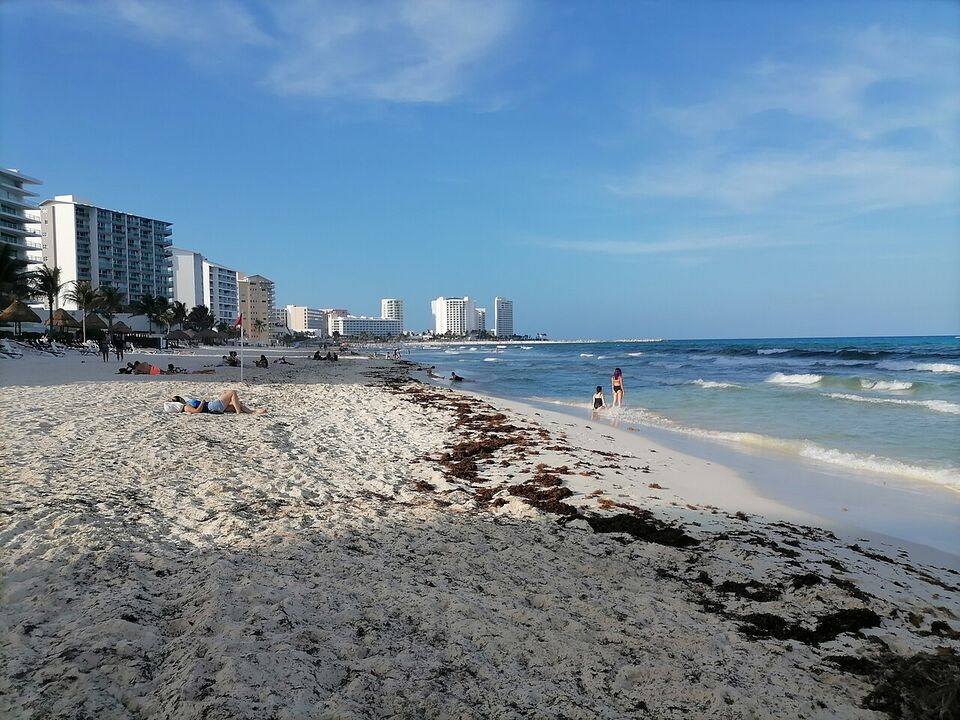
The 14-mile (22 km) strip of resorts is the most patrolled part of the city, and armed National Guard patrols are normal here. The main risk spot is the Party Center around km 9, where late nights, open bars and drug dealing overlap. Go out in a group and ride home by app. See where to stay in Cancún for the zone by kilometer.
Downtown (El Centro)
Downtown is a working city of close to a million people. Parque de las Palapas, Mercado 28, Avenida Tulum near the ADO terminal and the bars on Avenida Yaxchilán are busy and fine in the evening. This is where the advisory's "stay alert after dark" advice bites: stick to lit, busy streets, take an app ride between neighborhoods at night, and do not wander residential areas looking for a party.
Day trips
Chichén Itzá, Valladolid and Mérida are in Yucatán, one of Mexico's two Level 1 states. The cenotes, Isla Mujeres, Playa del Carmen and Tulum are in Quintana Roo (Level 2). Organized day trips are routine; if you drive, take the 180D toll road and be back before dark. See things to do in Cancún, best cenotes and Cancún vs Tulum.
Getting around safely
From the airport
After customs at Cancún International (CUN) you walk a corridor of people selling "transportation" and "free" activities. Most are timeshare salespeople, and none are your driver. Keep walking until you are outside. The safest arrival is a transfer booked before you fly: a private car to the Hotel Zone starts at about $25 per vehicle. The ADO bus to downtown is about MX$140 (about $8), and official taxis are sold at counters inside the terminal, about $45 to the Hotel Zone. Uber can drop you off but regular app pickups in arrivals are not authorized. Full details on Cancún airport transportation.
Taxis and ride apps
Cancún taxis have no meters; fares are fixed by zone, so agree the price before you get in, and pay in pesos. Uber and DiDi operate in the city and are often 30–50% cheaper. Taxi drivers sometimes object to app cars at hotel entrances, so meet your car on the boulevard if a stand gets heated. Whatever you use, never take a car hailed on the street or offered by a stranger outside a club: that is how express kidnappings (secuestro exprés, being driven from ATM to ATM) usually start. Match the plate to the app before you get in and share the trip with a friend.
Buses and driving
The Hotel Zone buses (R1 and R2, about MX$12 cash) are safe and crowded; keep your phone in a front pocket. See getting around. If you rent a car, buy Mexican liability insurance (US policies do not count), use toll roads and do not drive between cities after dark. If police stop you, stay calm, ask for a written ticket and offer to pay at the station. See driving in Mexico.
Insider tip
Quintana Roo stays on Eastern Standard Time all year. Now that US clocks have fallen back (November 1, 2026), Cancún matches New York until March, so your transfer pickup time and your phone agree.
Common scams and how to avoid them
- "Your driver is over here." Real drivers wait outside with a sign. Nobody inside the terminal is from your company.
- Free breakfast, cheap tours, discount ride. Almost always a 90-minute-plus timeshare presentation. If you do sign something, Mexican consumer law gives you five business days to cancel in writing; PROFECO, the consumer agency, takes complaints.
- Fake Visitax sites. The state tourist tax is about MX$290 (about $16) per person in 2026 and is paid at visitax.gob.mx. Copycat sites charge $30–40.
- Virtual kidnapping calls. A caller to your room claims to be watching you and orders you to move hotels and turn off your phone, while accomplices tell your family you have been taken. Hang up, tell the front desk, and agree on a family code word before the trip.
- Inflated airport taxi quotes. In October 2026 a viral video showed a visitor quoted MX$1,200–1,700 (about $65–92) for a Hotel Zone ride. Confirm the total, the currency and per-vehicle pricing before paying.
- ATM skimming and dollar conversion. Use machines inside banks, malls or your hotel, and always choose to be charged in pesos. See money.
- Padded bills and beach tour sellers. Check club tabs before you pay, and book tours through your hotel or a company with a real office.
Watch out
Do not buy drugs, however casual the offer. The street drug trade drives the shootings the advisory describes, and counterfeit pills sold in tourist areas may contain fentanyl.
Health, water and drinks
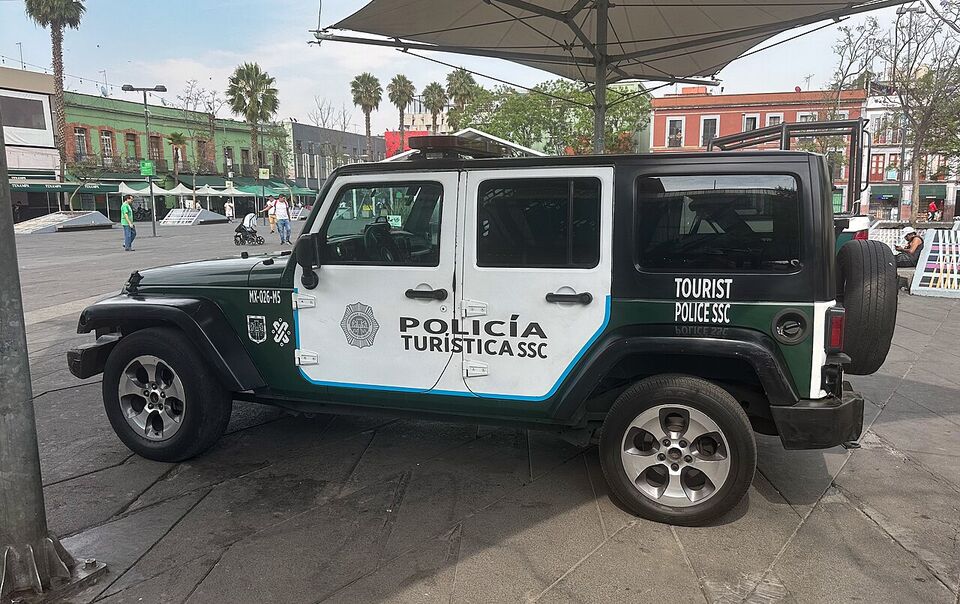
Do not drink tap water anywhere in Mexico, including the big resorts; CDC advises sealed bottled water or water that has been boiled, filtered or disinfected. Resorts and restaurants in the Hotel Zone use commercial purified ice, usually the hollow tube-shaped cubes. Brush your teeth with bottled water.
Some travelers have become ill or lost consciousness after drinking tainted or unregulated alcohol, mostly cheap well liquor in bars, clubs and some pool bars. Order beer or drinks poured from a bottle you can see, and watch your drink being made. If someone suddenly seems far drunker than their drinks explain, get them to a safe place and medical help.
Dengue is present on the peninsula, mostly in the rainy months, roughly June to November, so use an EPA-registered repellent. Private hospitals in Cancún are good but want payment up front and rarely bill US insurance, so buy travel medical insurance with evacuation cover. See health.
Hurricanes, sargassum and rip currents
Hurricanes
The Atlantic season runs June 1 to November 30, peaking mid-August to mid-October; Hurricane Beryl came ashore near Tulum in July 2024. If a storm threatens, follow your hotel and the US National Hurricane Center. From about December to February, cold fronts called nortes bring a day or two of wind that can close the port to small boats, so keep your island day flexible.
Sargassum
The brown seaweed is unpleasant but not dangerous to touch, and it is mostly an April-to-October problem. 2026 was a heavy year, with more than 152,000 metric tons collected in Quintana Roo by mid-October. Winter beaches are usually much cleaner. Check the state's sargassum traffic-light map before a spring or summer trip; see beaches.
Rip currents and beach flags
The calm side of the Hotel Zone (about km 3–9, facing Isla Mujeres) has flat, shallow water. The open-ocean side (km 9–20), including Playa Delfines, often has real surf and strong currents. Read the flag every time.
| Flag | Meaning |
|---|---|
| Green | Calm, normal care |
| Yellow | Currents or waves; swim with caution |
| Red | Dangerous; stay out of the water |
| Black | Swimming prohibited |
| Purple | Dangerous marine life, usually jellyfish |
If a current pulls you out, do not fight it: swim parallel to the shore until it releases you, then angle back in. Never swim at night or after drinking.
What to do if something goes wrong
- Get safe and call 911. Not every operator speaks English, so ask your front desk or a waiter to call for you. For non-emergency tourist help (information, hospitals, immigration questions), call 078.
- Call the US Embassy if you are hurt, arrested or lose your passport. The embassy in Mexico City answers 24/7 at 55 2579 2000 (from a US phone, +52 55 2579 2000), and the State Department's line is 1-888-407-4747 from the US or +1-202-501-4444 from abroad. The US Consulate General in Mérida covers Cancún, and a consular agency in Cancún offers limited services. Check hours on mx.usembassy.gov.
- File a police report for theft or assault. Your insurer will want a written report from the state prosecutor's office (Fiscalía General del Estado). Cancún has a multilingual tourist assistance center that helps visitors file reports and resolve disputes, and the state's Guest Assist app lists emergency contacts and helps with reports.
- Call your insurer's assistance line before you sign hospital paperwork, so it can guarantee payment and check the charges.
- Cancel cards from your bank's app, and keep photos of your passport and cards in your email.
Before you go, enroll in the free Smart Traveler Enrollment Program (STEP) so the embassy can send you storm and security alerts and reach you in a crisis.
Families, women and solo travelers
Families have the easiest Cancún. Choose a hotel on the calm side, book a private transfer with car seats, and keep children within reach in the surf and around open-bar pools. See travel by interest.
Women and solo travelers visit Cancún alone all the time. The advisory's warnings about drugged drinks and sexual assault in resort areas are the reason to watch your drink, share your app rides and leave clubs with people you trust.
LGBTQ+ travelers: same-sex marriage has been legal in every Mexican state since 2022, and Cancún has a visible gay scene. Public affection draws little attention in the Hotel Zone.
Bottom line
Cancún is a Level 2 destination with no special restrictions, and millions of Americans visit each year without trouble. Your biggest risks are the ones you control: book your airport transfer, use apps or hotel taxis, respect the red flag, keep an eye on your drink, and never buy drugs. Read the live advisory before you fly and enroll in STEP.
Still deciding where to go? Compare Cancún vs Tulum or Punta Cana vs Cancún, check Mexico in December for the season ahead, and use the trip builder. Want this planned for you? Tell us your dates.
Add it to a route in the trip builder, or ask us to plan the hotels, trains and guides for you.